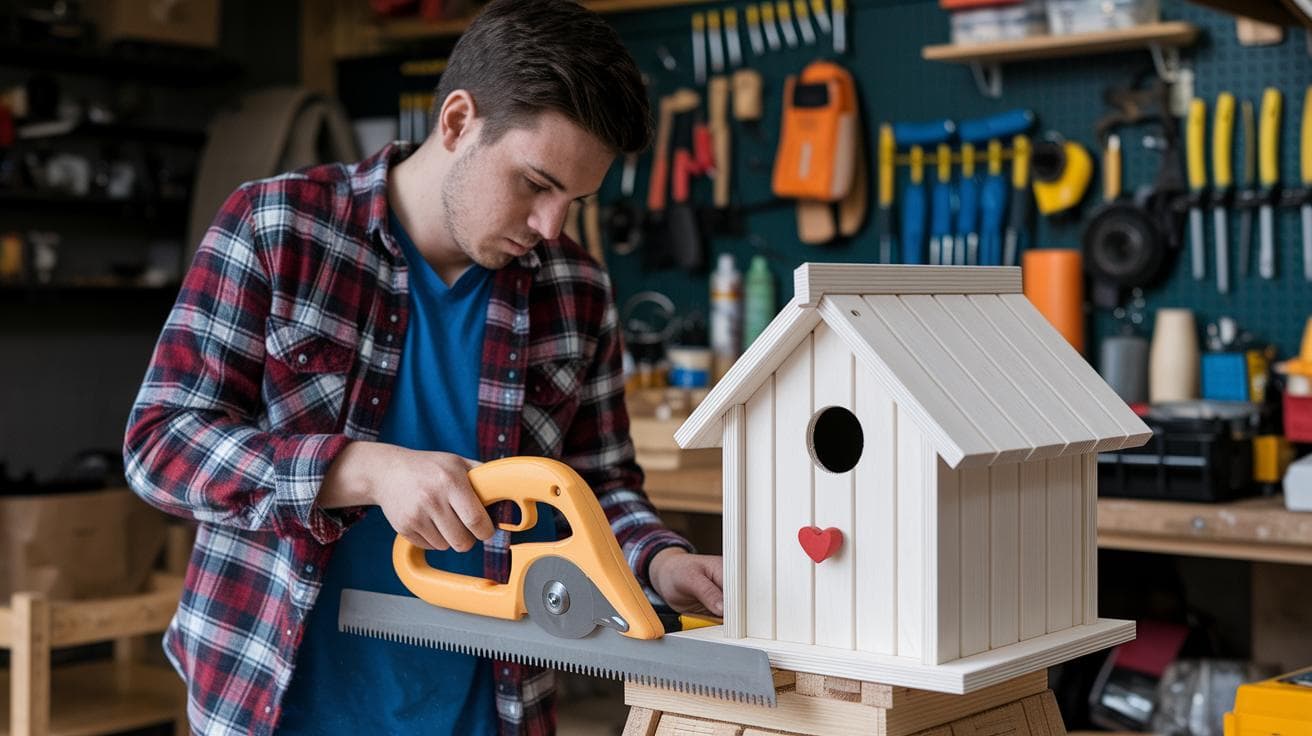
Woodworking is a rewarding hobby that combines creativity, patience, and practical skills. Whether you’re building a small storage box, a bookshelf, or outdoor furniture, success depends on more than just owning expensive tools. Developing the right habits before and during a project can significantly improve the final result while making the entire process more enjoyable.
Many beginners believe that woodworking is difficult because they compare their first attempts to professional creations. In reality, experienced woodworkers simply follow consistent methods that reduce mistakes and improve efficiency. By learning these habits early, anyone can build projects with greater confidence.
Start Every Project with a Clear Plan
One of the most common reasons woodworking projects fail is poor planning. Before making the first cut, spend time understanding the dimensions, materials, and sequence of each step.
A detailed plan helps you:
- Estimate material costs accurately.
- Reduce wasted wood.
- Avoid measurement errors.
- Complete projects faster.
If you’re searching for woodworking plans, using well-organized project layouts can help you understand measurements, joinery methods, and assembly order before you begin.
Measure Carefully Before Cutting
The old saying “measure twice, cut once” remains one of the best woodworking rules ever created.
Even a small measuring mistake can affect every piece that follows. Professional woodworkers often check measurements multiple times before using saws or cutting machines.
Helpful measuring habits include:
- Using quality measuring tapes.
- Marking cut lines clearly.
- Double-checking angles.
- Confirming board orientation before cutting.
These simple steps prevent unnecessary material waste and produce cleaner assemblies.
Keep Your Tools in Good Condition
Sharp and clean tools produce better results than dull ones.
A sharp blade cuts smoothly, requires less force, and creates safer working conditions. Meanwhile, rusty or damaged tools often increase the chance of inaccurate cuts.
Basic maintenance includes:
- Cleaning tools after each project.
- Removing sawdust from moving parts.
- Lubricating metal components.
- Replacing worn blades when necessary.
- Storing tools in a dry environment.
Consistent maintenance also extends the lifespan of expensive equipment.
Choose the Right Type of Wood
Every wood species behaves differently.
Softwoods like pine are affordable and beginner-friendly, while hardwoods such as oak or maple provide excellent durability for furniture.
Before buying lumber, consider:
- Indoor or outdoor use.
- Weight requirements.
- Grain appearance.
- Moisture resistance.
- Budget.
Selecting appropriate materials often determines how well the finished project performs over time.
Organize Your Workspace
A cluttered workshop can slow progress and increase safety risks.
Good organization allows you to locate tools quickly while maintaining a cleaner working environment.
Consider organizing:
- Hand tools on wall racks.
- Screws and fasteners in labeled containers.
- Lumber by size.
- Power cords safely away from walking paths.
A tidy workspace improves concentration and reduces frustration throughout the project.
Practice Basic Joinery Techniques
Strong joints are the foundation of quality woodworking.
Beginners should master simple methods before attempting advanced furniture designs.
Popular joinery techniques include:
- Butt joints
- Pocket holes
- Lap joints
- Dowel joints
- Mortise and tenon joints
Practicing these techniques on scrap wood builds confidence without wasting expensive materials.
Sanding Deserves More Attention
Many people rush through sanding because they are excited to finish their projects.
However, proper sanding directly affects the appearance of paint, stain, and protective finishes.
Work gradually through multiple grit levels instead of jumping directly to very fine sandpaper. This creates smoother surfaces and better finishing results.
Never Ignore Safety Equipment
Woodworking machines are powerful and should always be treated with respect.
Essential safety equipment includes:
- Safety glasses
- Hearing protection
- Dust mask or respirator
- Non-slip footwear
- Push sticks for table saws
Creating safe habits early helps prevent accidents while making woodworking a long-term hobby.
Learn from Every Finished Project
Every completed project teaches valuable lessons.
Instead of focusing only on imperfections, ask yourself:
- Which step took the most time?
- What mistakes could be avoided next time?
- Which tools performed best?
- Were the measurements accurate?
- Could the workflow be improved?
Keeping notes after each project helps you develop better techniques over time.
Build Skills Gradually
Many beginners attempt advanced furniture projects too soon.
A better approach is to start with smaller builds that teach essential skills. As confidence grows, larger and more detailed projects become much easier.
Learning from structured DIY woodworking projects can provide inspiration while helping you understand different construction methods and practical design ideas for future builds.
Final Thoughts
Successful woodworking is built on patience, preparation, and continuous learning rather than expensive equipment alone. Small improvements in planning, measuring, tool maintenance, and workshop organization can dramatically improve the quality of every project.
Whether you’re creating furniture for your home or simply enjoying woodworking as a weekend hobby, developing consistent habits will help you produce stronger, cleaner, and more satisfying results for years to come.