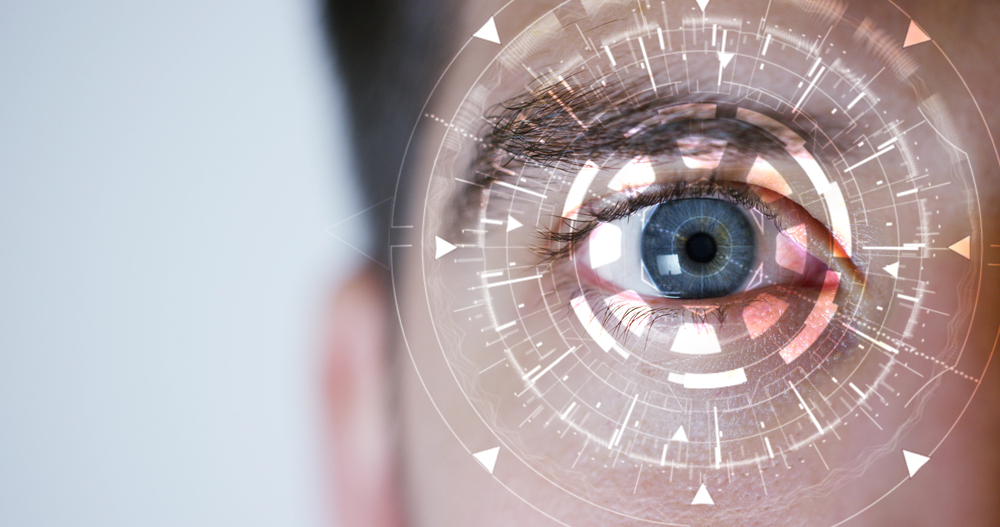
Our eyes work tirelessly every day. Whether you’re reading emails, attending online meetings, scrolling through social media, or enjoying your favorite television shows, your vision faces constant exposure to digital screens. While technology has made life easier, it has also increased the importance of protecting our eyesight through healthy daily habits.
Eye health isn’t determined by a single factor. Instead, it depends on a combination of nutrition, lifestyle choices, environmental conditions, and regular care. Small improvements made consistently can contribute to maintaining comfortable and healthy vision for years to come.
Why Modern Lifestyles Affect Vision
Digital devices have become an unavoidable part of daily life. Many adults spend more than eight hours each day looking at screens. This extended exposure often leads to symptoms such as:
- Dry or irritated eyes
- Blurred vision
- Difficulty focusing
- Eye fatigue
- Mild headaches
- Increased light sensitivity
Although these symptoms are usually temporary, ignoring them repeatedly may affect overall visual comfort and productivity.
Follow the 20-20-20 Rule
One of the simplest ways to reduce digital eye strain is the 20-20-20 rule. Every 20 minutes, look at something approximately 20 feet away for at least 20 seconds.
This brief pause allows your eye muscles to relax after prolonged focusing on nearby objects. Setting reminders can help make this habit part of your daily routine.
Eat Nutrient-Rich Foods
Nutrition plays a significant role in maintaining healthy eyesight. A balanced diet rich in colorful fruits and vegetables provides antioxidants and vitamins that support normal eye function.
Foods commonly associated with eye-friendly nutrition include:
- Spinach
- Kale
- Carrots
- Sweet potatoes
- Bell peppers
- Blueberries
- Citrus fruits
- Salmon
- Walnuts
- Pumpkin seeds
These foods contain vitamins A, C, and E, along with minerals and plant compounds that contribute to overall wellness.
Stay Properly Hydrated
Many people overlook hydration when thinking about eye care. Adequate water intake helps maintain moisture throughout the body, including the eyes.
If your eyes often feel dry during long work sessions, drinking enough water while taking regular screen breaks may improve comfort.
Wear Proper Eye Protection
Ultraviolet (UV) rays can affect eye tissues over time. Wearing sunglasses that block UVA and UVB rays helps protect your eyes during outdoor activities.
Likewise, people working with machinery, chemicals, or construction materials should always wear appropriate protective eyewear to reduce the risk of injuries.
Improve Your Workspace
An ergonomic workspace reduces unnecessary strain on your eyes.
Consider these adjustments:
- Position your monitor about an arm’s length away.
- Keep the top of the screen at or slightly below eye level.
- Reduce glare from windows and overhead lighting.
- Increase text size for easier reading.
- Adjust screen brightness to match room lighting.
Simple workplace improvements can make long hours at the computer much more comfortable.
Prioritize Quality Sleep
Sleep allows your entire body, including your eyes, to recover after a busy day.
Adults generally benefit from seven to nine hours of quality sleep each night. Poor sleep may contribute to eye fatigue, twitching, dryness, and discomfort.
Developing a consistent bedtime routine supports both visual comfort and overall health.
Schedule Regular Eye Exams
Routine eye examinations remain one of the most important aspects of preventive healthcare.
Eye exams can detect vision changes and identify potential concerns before noticeable symptoms develop. Even individuals with good eyesight should follow the examination schedule recommended by their eye care professional.
Supporting Eye Health Naturally
Healthy vision is the result of many daily choices rather than one single solution. Balanced nutrition, regular exercise, sufficient sleep, hydration, and reduced screen strain all work together to support long-term eye wellness.
Some individuals also explore nutritional supplements designed to complement a healthy lifestyle. When researching different options, it’s helpful to understand the ingredients, intended benefits, and scientific background before making a decision. For readers interested in learning more about VisiFlora Reviews, exploring reliable educational resources can provide additional insight into how various vision-support formulas are designed and what they aim to support. Likewise, comparing available information about VisiFlora alongside general eye-health recommendations may help consumers make more informed choices while remembering that supplements should never replace professional medical advice or regular eye examinations.
Final Thoughts
Maintaining healthy eyesight doesn’t require dramatic lifestyle changes. Small habits practiced consistently often make the greatest difference over time.
Taking regular breaks from screens, eating nutritious foods, protecting your eyes from UV exposure, staying hydrated, sleeping well, and scheduling routine eye exams all contribute to long-term visual wellness.
As our dependence on digital technology continues to grow, giving our eyes the attention they deserve becomes increasingly important. By incorporating these practical habits into everyday life, you can support comfortable vision and overall eye health for years to come.