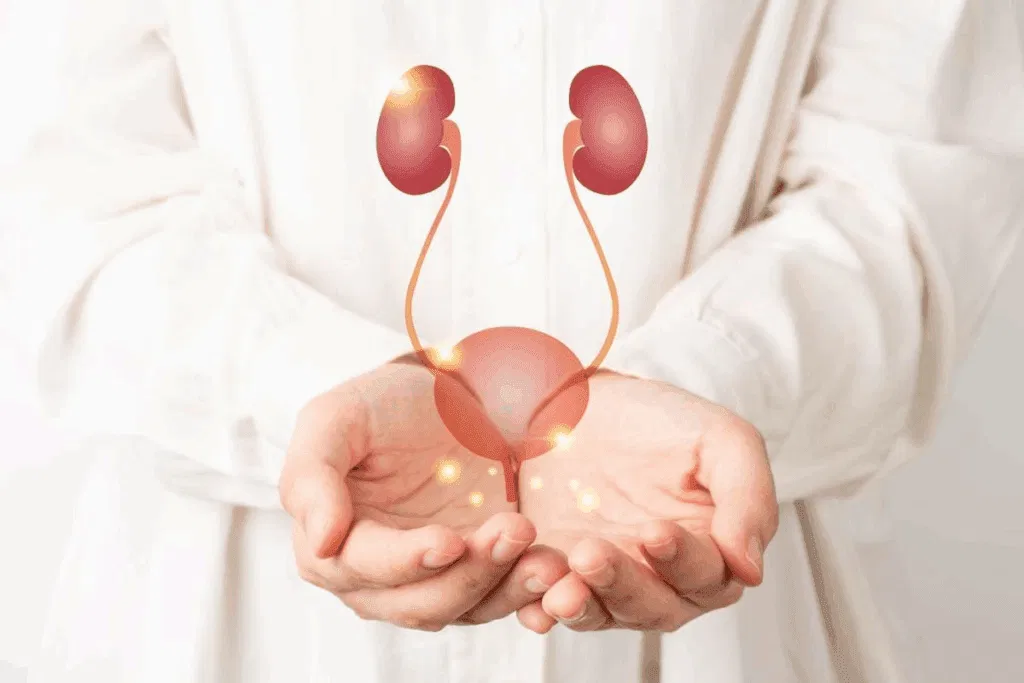
Bladder health is an important part of overall wellness, yet it is often overlooked until symptoms begin affecting daily life. Many women notice changes in bladder control, urinary frequency, or occasional discomfort as they age. While these changes are common, they are not something that should simply be accepted without exploring healthy ways to support the body.
Fortunately, simple lifestyle habits can help maintain urinary wellness and improve comfort over time. From nutrition and hydration to exercise and maintaining a balanced microbiome, there are many natural approaches that contribute to long-term bladder health.
Why Bladder Health Changes With Age
Women’s bodies go through several natural transitions throughout life. Hormonal fluctuations, pregnancy, childbirth, menopause, stress, and even daily habits can influence how the bladder functions.
As estrogen levels decline during midlife, tissues surrounding the urinary tract may become thinner and less elastic. Pelvic floor muscles can also weaken over time, reducing their ability to support the bladder effectively. These changes may lead to increased urinary urgency or occasional leaks during activities such as laughing, sneezing, or exercising.
Understanding these natural changes helps women make informed decisions about protecting their urinary health before symptoms become more noticeable.
Stay Properly Hydrated
One common misconception is that drinking less water will reduce bathroom visits. In reality, inadequate hydration often causes urine to become more concentrated, which may irritate the bladder lining.
Healthy hydration helps flush waste products from the urinary system while supporting normal bladder function.
A few hydration tips include:
- Drink water consistently throughout the day.
- Reduce sugary beverages.
- Limit excessive caffeine if it triggers urgency.
- Avoid drinking large amounts immediately before bedtime.
Maintaining steady hydration is one of the easiest habits for supporting urinary wellness.
Eat Foods That Support Urinary Health
Nutrition plays a significant role in maintaining a healthy urinary tract. Many foods contain vitamins, antioxidants, and plant compounds that help support normal body functions.
Women may benefit from including:
- Fresh berries
- Leafy green vegetables
- Whole grains
- Yogurt with probiotics
- Citrus fruits in moderation
- Pumpkin seeds
- Healthy fats like olive oil
A balanced diet also supports digestive health, which indirectly benefits bladder function by reducing pressure caused by constipation.
The Importance of the Urinary Microbiome
Researchers continue to discover that the urinary tract contains beneficial bacteria, much like the gut.
A balanced microbiome may contribute to maintaining normal urinary health by supporting the body’s natural protective environment.
Factors that may disrupt this balance include:
- Frequent antibiotic use
- Chronic stress
- Poor dietary habits
- Hormonal changes
- Aging
Many women are becoming increasingly interested in bladder health support strategies that focus on maintaining microbiome balance alongside healthy lifestyle practices.
Strengthen Your Pelvic Floor
Pelvic floor muscles help support the bladder and surrounding organs.
Simple pelvic floor exercises performed consistently can improve muscle strength over time.
Benefits may include:
- Better bladder control
- Improved confidence during exercise
- Reduced accidental leakage
- Better overall pelvic support
Many healthcare professionals recommend making these exercises part of a daily wellness routine.
Maintain a Healthy Weight
Carrying excess body weight may increase pressure on the bladder and pelvic floor muscles.
Even modest weight management through regular activity and healthy eating may help reduce unnecessary strain on the urinary system.
Walking, swimming, yoga, and cycling are excellent low-impact activities suitable for many women.
Reduce Bladder Irritants
Certain foods and drinks may trigger bladder sensitivity in some individuals.
Common examples include:
- Excess coffee
- Alcohol
- Artificial sweeteners
- Carbonated drinks
- Very spicy foods
Keeping a simple food journal may help identify personal triggers.
Prioritize Good Bathroom Habits
Healthy bladder habits are often overlooked.
Experts generally recommend:
- Avoid delaying urination for long periods.
- Empty the bladder completely when possible.
- Practice good hygiene.
- Avoid excessive straining.
These simple habits can contribute to better urinary comfort over time.
Consider Natural Wellness Support
Lifestyle improvements provide an excellent foundation, but some women also explore nutritional supplements that contain botanicals, probiotics, and ingredients designed to support urinary wellness.
When researching available options, it is important to choose products that provide transparent ingredient information and are manufactured according to quality standards. Those interested in learning more about one such formula can read this detailed guide on natural urinary wellness to better understand how microbiome-focused nutritional support may complement healthy daily habits.
Manage Stress
Stress affects many systems throughout the body, including bladder function.
Relaxation techniques such as meditation, deep breathing, stretching, and regular physical activity may help support overall wellness while reducing unnecessary muscle tension.
Sleep also plays an important role in maintaining hormonal balance and healthy body function.
When to Consult a Healthcare Professional
While occasional urinary changes are common, persistent symptoms should always be evaluated by a qualified healthcare provider.
Seek medical advice if you experience:
- Pain during urination
- Blood in urine
- Frequent urinary tract infections
- Sudden severe leakage
- Fever with urinary symptoms
Early evaluation allows appropriate treatment and helps rule out underlying medical conditions.
Final Thoughts
Healthy bladder function depends on a combination of balanced nutrition, hydration, physical activity, pelvic floor strength, microbiome support, and healthy daily habits. Small lifestyle improvements made consistently often produce meaningful long-term benefits.
Every woman’s experience is different, and maintaining urinary wellness requires a personalized approach. By adopting healthy routines and staying informed about emerging research on bladder health, women can support comfort, confidence, and overall quality of life for years to come.