Many people focus on heart health, weight management, or physical fitness but often overlook one of the body’s most valuable senses—hearing. Healthy hearing plays a major role in communication, emotional well-being, productivity, and overall quality of life. As we age, everyday factors such as stress, poor nutrition, excessive noise exposure, and inadequate sleep can gradually affect both hearing and cognitive performance.
Fortunately, making small improvements to your daily routine can positively influence your overall wellness. While no lifestyle change can guarantee perfect hearing, healthy habits may contribute to better auditory function and support long-term brain health.
Why Hearing Health Deserves More Attention
Our ears work continuously throughout the day, processing thousands of sounds every hour. Behind this process lies a complex network involving the inner ear, auditory nerves, blood circulation, and the brain itself.
When any part of this system becomes less efficient, people may notice symptoms such as:
- Difficulty following conversations
- Ringing or buzzing sounds in the ears
- Trouble focusing in noisy environments
- Mental fatigue after social interactions
- Reduced concentration
These changes can develop gradually, making them easy to ignore until they begin affecting everyday life.
The Connection Between Hearing and Brain Function
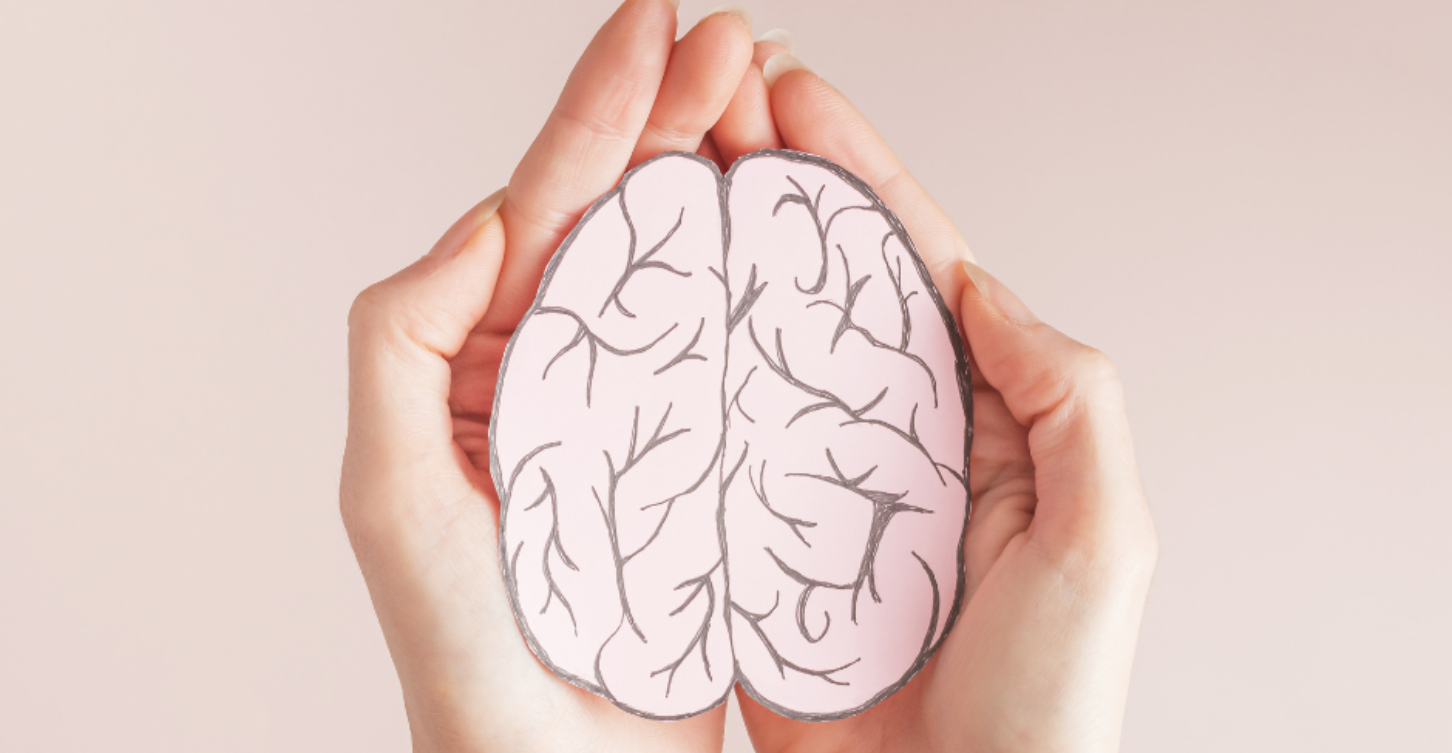
Modern research suggests that hearing and cognitive health are closely connected. The brain continuously interprets signals received from the ears. When hearing becomes less efficient, the brain often works harder to process sounds, potentially increasing mental fatigue.
Supporting both hearing and brain function together may contribute to:
- Better concentration
- Improved communication
- Enhanced memory
- Reduced listening effort
- Greater confidence during conversations
This holistic approach encourages individuals to care for their overall neurological wellness rather than focusing on hearing alone.
Everyday Habits That May Support Hearing Wellness
1. Protect Your Ears from Loud Noise
One of the simplest preventive measures is reducing exposure to excessive noise.
Helpful practices include:
- Using ear protection during concerts
- Lowering headphone volume
- Taking listening breaks
- Avoiding prolonged exposure to loud machinery
These small precautions may reduce unnecessary stress on the auditory system.
2. Eat a Nutrient-Rich Diet
Healthy blood circulation supports every organ in the body, including the delicate structures inside the ears.
Foods commonly associated with overall wellness include:
- Leafy green vegetables
- Fresh berries
- Citrus fruits
- Nuts and seeds
- Fatty fish rich in omega-3 fatty acids
- Whole grains
A balanced diet also supports energy production and brain performance.
3. Stay Physically Active
Regular exercise improves circulation throughout the body, including the tiny blood vessels that nourish the inner ear.
Activities such as walking, cycling, swimming, and yoga may support:
- Cardiovascular health
- Stress reduction
- Better oxygen delivery
- Improved balance
Even 30 minutes of moderate movement most days of the week can contribute to overall well-being.
4. Prioritize Quality Sleep
Sleep allows the body and brain to recover from daily stress.
Adults should aim for consistent, restorative sleep whenever possible by:
- Maintaining a regular bedtime
- Limiting screen time before sleep
- Keeping bedrooms quiet and dark
- Avoiding excessive caffeine late in the day
Better sleep often leads to improved focus and mental clarity.
Stress and Hearing
Chronic stress affects many body systems, including the nervous system.
High stress levels may contribute to:
- Muscle tension
- Difficulty concentrating
- Increased awareness of ear noises
- Fatigue
Relaxation techniques such as meditation, breathing exercises, or spending time outdoors may help promote overall mental wellness.
Hydration Matters More Than Many Realize
Proper hydration supports healthy circulation throughout the body.
Simple hydration tips include:
- Drinking water consistently throughout the day
- Limiting sugary beverages
- Increasing water intake during hot weather
- Eating water-rich fruits and vegetables
Good hydration benefits multiple body systems, including the brain.
Supporting Cognitive Wellness Naturally
Mental stimulation is equally important for healthy aging.
Activities that keep the brain engaged include:
- Reading books
- Learning new skills
- Solving puzzles
- Playing strategy games
- Social interaction
Keeping the brain active may complement healthy lifestyle practices.
Can Supplements Play a Role?
Many adults also choose dietary supplements as part of their overall wellness routine. While supplements should never replace a balanced diet or professional medical advice, some products are formulated with ingredients intended to support hearing wellness, nerve health, and cognitive performance.
If you’re interested in learning about ingredients commonly used in hearing-support formulas, this detailed guide on NeuroQuiet explains its formulation, intended benefits, and how it is designed to support hearing and brain wellness naturally.
Before beginning any supplement, consult a qualified healthcare professional, particularly if you have existing medical conditions or take prescription medications.
Lifestyle Changes Produce Long-Term Benefits
Healthy habits rarely produce overnight results. Instead, consistency often provides the greatest long-term rewards.
Building sustainable routines may include:
- Regular exercise
- Balanced nutrition
- Stress management
- Hearing protection
- Adequate sleep
- Regular medical checkups
Together, these habits contribute to overall wellness while supporting healthy aging.
Final Thoughts
Hearing health is closely connected with brain function, communication, and daily quality of life. While aging naturally affects the body, healthy lifestyle choices may help support long-term wellness and improve everyday performance.
Whether you’re focusing on nutrition, exercise, stress reduction, or learning more about hearing health, taking proactive steps today may benefit your future well-being. Likewise, understanding how NeuroQuiet and similar wellness approaches fit into a broader healthy lifestyle can help you make informed decisions as part of your long-term wellness journey.